Health & Lifestyle
Each food has its own characteristics.
In very ancient times Traditional Chinese Medicine practitioners used specific foods to balance the body’s yin and yang and to treat disease.
The ancient Chinese medicine practitioners discovered that most foods have either cooling or warming characteristics. When you eat cooling foods, they are adding cooling effects to your body and eating warm foods will add warming effects to your body. Therefore, warming and cooling foods can be used to balance the body which may be deficient in yin or yang. Traditional Chinese medicine has divided food into three characteristics; Cooling foods, Warming foods, Balanced, neutral foods (neither cool nor warm)
1) Effects of cooling foods
Cooling food has effects of clearing heat and toxins, cooling and calming the blood and nourishing yin. These types of food are suitable for people who have heat constitution of the body. Usually these people have the following symptoms: The body feeling hot, perspiration, thirst, constipation, pungent odorous wind and stools, burning of the anus area after bowl movement, anxiety, red eyes, red face, emotional, head aches, vivid dreams, ulcers in the mouth or tongue, cold sores around the mouth, red tongue with a thick yellow coating on the tongue, rapid pulse, heart burn and dark or yellow urine.
2) Effects of warming foods
Warming foods have the effects of raising the yang, energy (qi) of organs and warming and improving the circulation and dispelling the cold. These types of food are suitable for people who are yang deficient. Usually with the following symptoms; cold hand, cold feet, cold body, diarrhea, stomach pains or discomfort after eating or drinking cold things, bloating after eating, lack of energy, sore joints, edema and fluid retention.
Cooling Foods
Fruits
Apple
Banana
Grapefruit
Kiwifruit
Lemon
Orange
Pear
Persimmon
Star Fruit
Strawberry
Watermelon
Vegetables
Alfalfa sprouts
Asparagus
Bamboo Shoot
Bitter Melon
Celery
Chinese Radish (Daikon)
Cucumber
Eggplant
Green leafy vegetables
Kelp
Lettuce
Lotus Root
Mushroom
Spinach
Swiss Chard
Tomato
Water Chestnut
Watercress
Winter Melon
Grains, Legumes & Seeds
Barley
Buckwheat
Millet
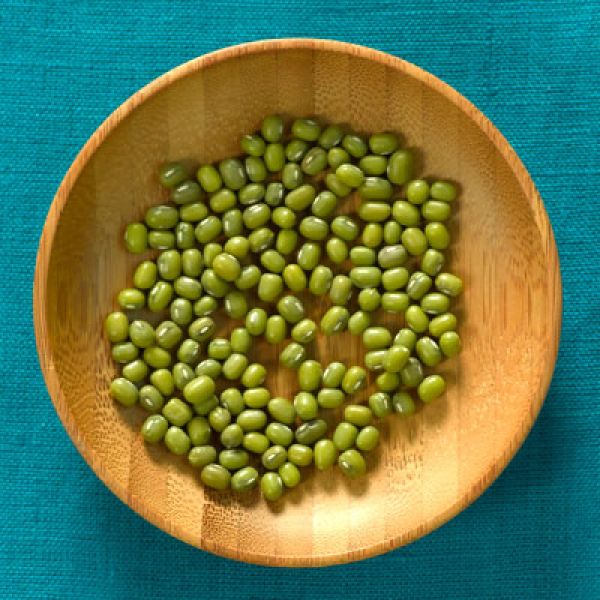
Mung Bean
Soy Bean
Tofu
Wheat bran
Whole wheat
Meat, Seafood & Dairy
Clam
Chicken Egg
Crab
Duck Egg
Rabbit
Seaweed
Condiments & Beverages
Chrysanthemum Tea
Green Tea
Peppermint Tea
Salt
Sesame oil
Warming Foods
Fruits
Cherry
Chinese Red Dates
Coconut meat
Coconut milk
Guava
Hawthorn Fruit
Longan
Lychee
Mandarin peel (dried)
Mango
Nectarine
Peach
Raspberry
Vegetables
Chives
Leek
Mustard greens
Onion
Pumpkin
Squash
Grains, Legumes & Seeds
Caraway seed
Chestnut
Glutinous Rice
Malt
Pine nut
Pistachio nut
Walnut
Meat, Seafood & Dairy
Butter
Chicken
Deer (Venison)
Eel
Goat Milk
Ham
Lamb
Mussel
Prawns (shrimp)
Condiments & Beverages
Basil
Brown Sugar
Chilli
Cinnamon
Clove
Coffee
Coriander
Fennel seed
Garlic
Ginger
Ginseng
Nutmeg
Pepper
Rosemary
Spearmint
Vinegar
Wine
Neutral foods
Foods which are neither warm nor cold, and are suitable for any type of body;
Fruits
Apricot
Figs
Goji Berries
Grape
Olive
Papaya
Pineapple
Plum
Vegetables
Black fungus mushrooms
Carrot
Chinese cabbage
Corn
Potato
Pumpkin
Shiitake mushroom
Sweet potato
Taro
Turnip
White fungus
Grains, Legumes & Seeds
Adzuki Bean
Almond
Black sesame seed
Black soybean
Broad bean
Kidney bean
Lotus seed
Peanut
Peas
Rice bran
Rye
String bean
Sunflower seed
White rice
Yellow soybean
Meat, Seafood & Dairy
Abalone
Beef
Cow’s milk
Duck
Fish
Oyster
Pork
Scallop
Condiments & Beverages
Peanut oil
Honey
Saffron
Licorice
Recent Lifestyle Posts
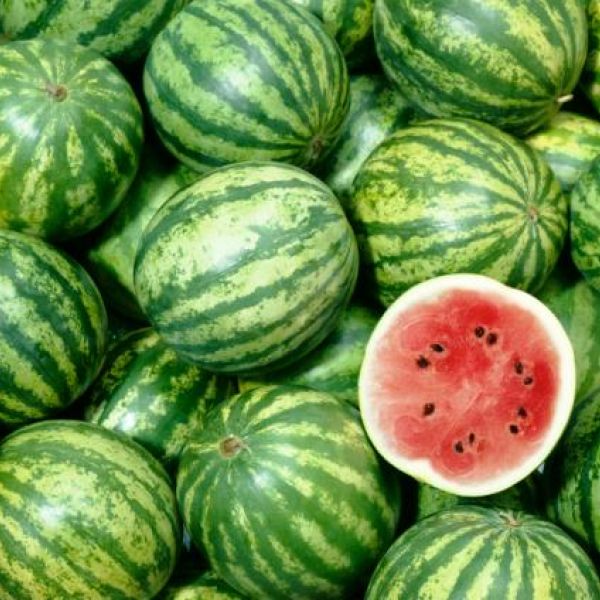
Watermelon and urinary tract infections
Mung Beans can clear heat, reduce acne and detox the body